Nobody would publish his book. So he built the publisher.
Eleven years, four accelerators, a UNESCO award and
644 published titles later, Daastan is
the route into print that didn’t exist for the writer who started it.
Everything on this page is linked to its source. Check any of it.
Publishing in Pakistan runs on promises. An author hands over a manuscript and a
payment, and then waits, with no way of knowing whether the company they paid has
ever printed a book that sold.
So instead of adjectives, here is the record: every competition we entered and
where we placed, every grant with the amount, every award with the awarding body,
and the counts pulled live out of the database this website runs on. Where the
press got a date wrong, we say so and explain why.
The timeline
Today
Today
Where the numbers actually stand
These are not press-release figures. They are counted out of this website's database the moment you load this page, and they only count books that are published and live — not manuscripts, not sign-ups, not accounts.
644books published
490authors in print
28countries
95cities and towns
22genres
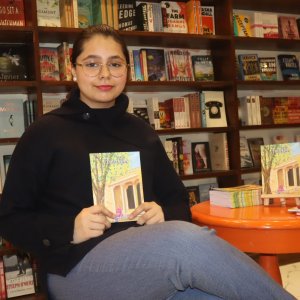
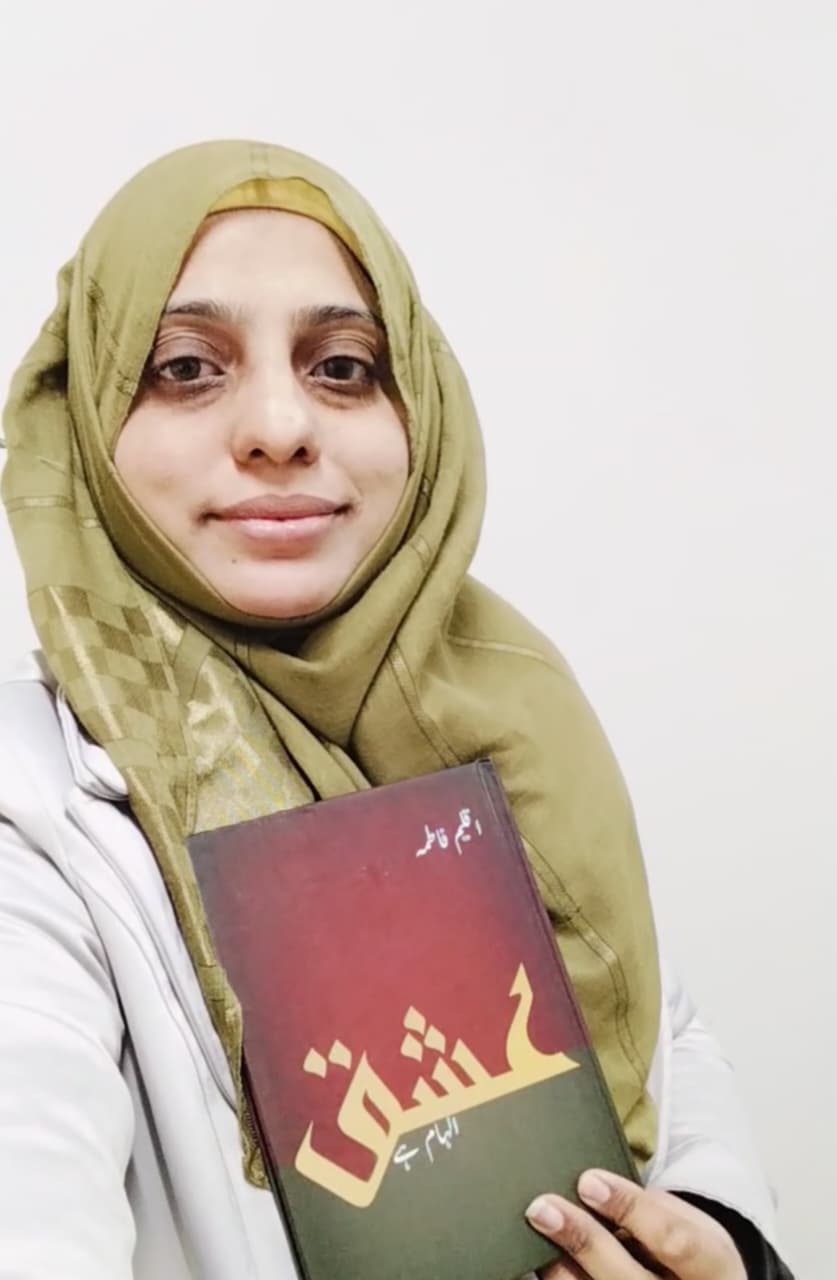
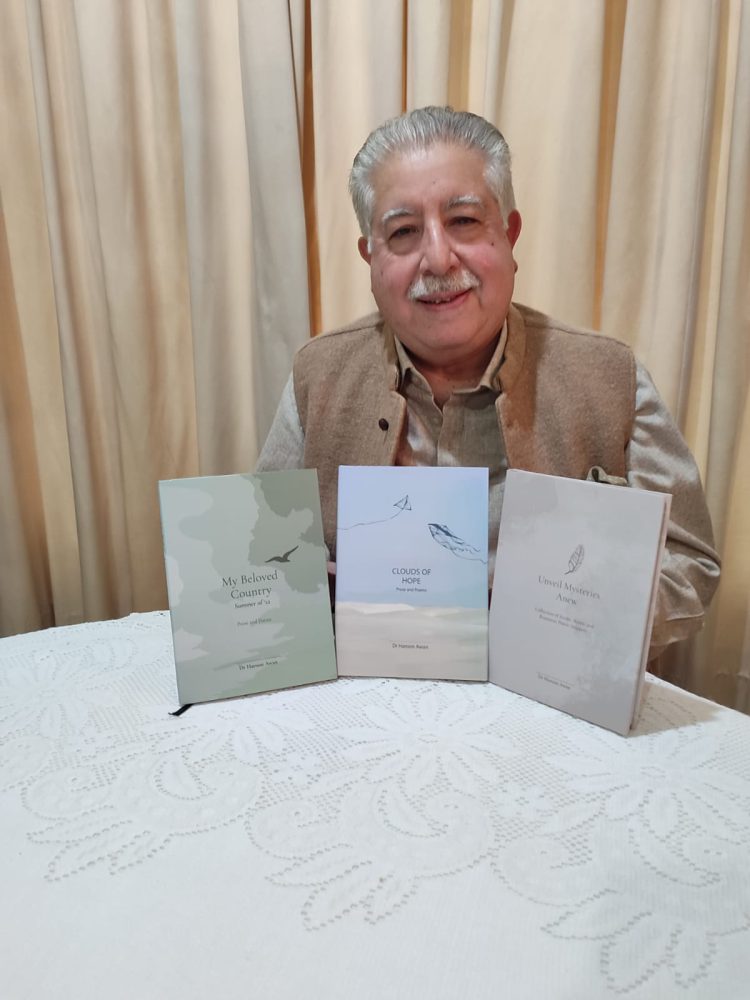
Iqleem Fatima with her copy of Ishq Ilhaam Hai.
2024
September 2024
A law professor, a risky book, and Amazon
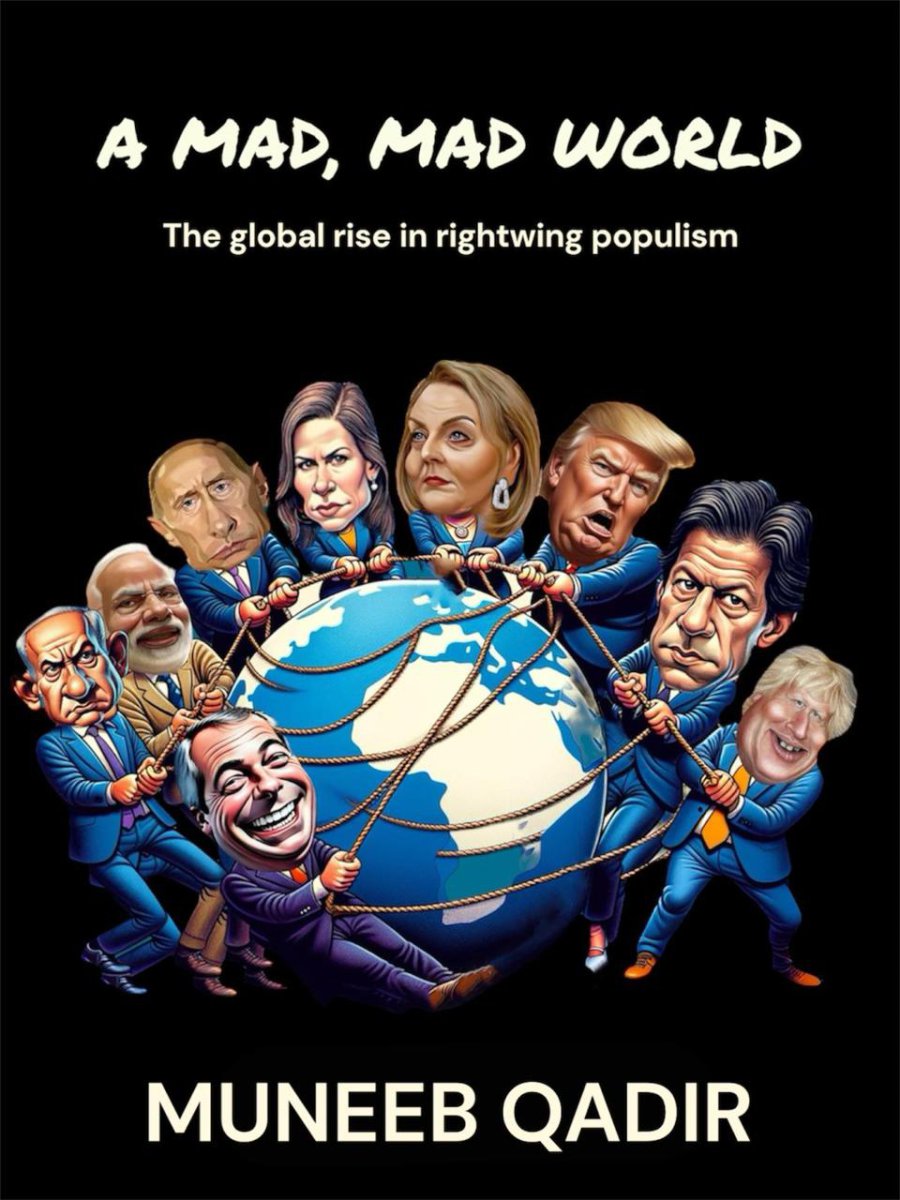
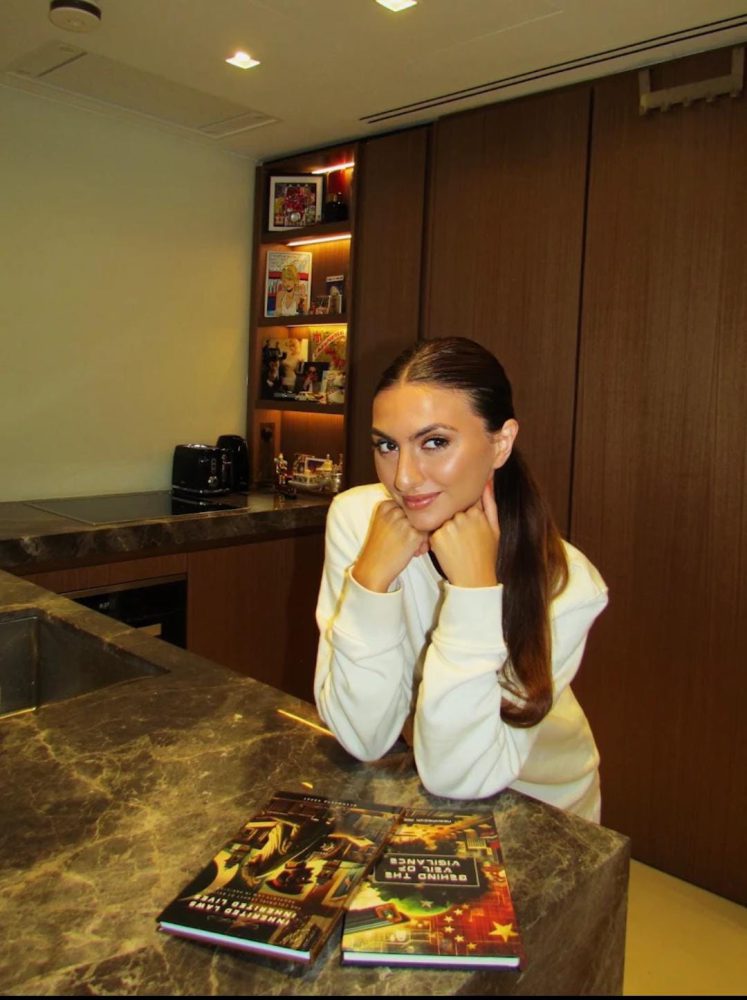
Muneeb Qadir teaches human rights and constitutional law and holds an LLM from Queen Mary, University of London. He writes about religious extremism, misogyny, transphobia and class in Pakistan — subjects that make publishers here nervous. Daastan has put out two of his books. A Mad, Mad World went out in September 2024 in paperback and Kindle, is stocked by Vanguard, and sells on Amazon in the United Kingdom. A Pakistani publisher, a Pakistani author, a British bookshelf.
2 booksAmazon UKPaperback + Kindle
A Mad, Mad World — Muneeb Qadir. ISBN 978-969-696-963-1.
2023
2023
Past five hundred books
By the middle of 2023 the catalogue had passed five hundred published titles, and Daastan was being written about as the most technologically equipped publisher in the country — which mattered less than the fact that the presses kept running through two years of paper prices nobody had planned for.
The book that had to be written down before it was lost
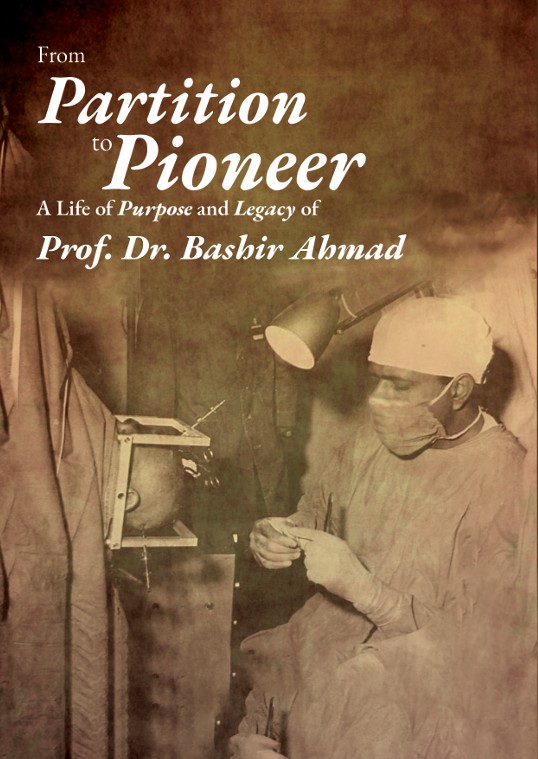
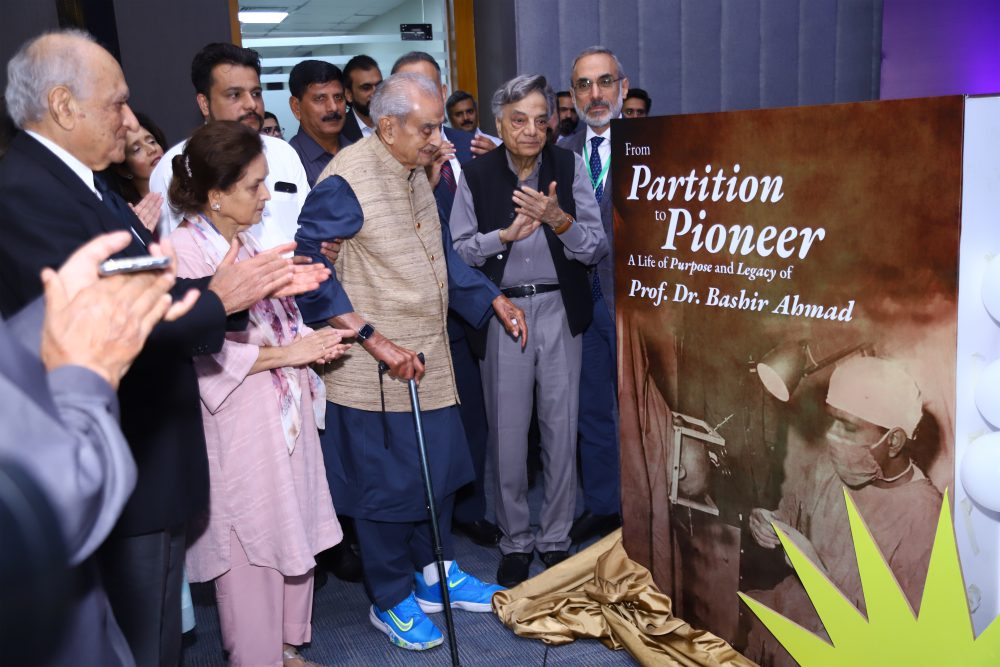
Professor Dr Bashir Ahmad (1934–2014) brought modern neurosurgery to Pakistan — trained in Britain when almost no Pakistani doctor was, then came home to build a speciality that did not exist here. Nobody had documented him. From Partition to Pioneer is 400 pages assembled with his family, issued in two editions on Daastan's own ISBN block, and sold on Amazon. It is the kind of book a commercial house will not touch, because the market for it is small and the work is enormous, and it is the reason an archive like this has to exist at all.
400 pages2 editionsOn Amazon
The unveiling of From Partition to Pioneer.
2021
2021
Commonwealth Youth Awards finalist
One of twenty finalists drawn from eighteen countries across the Commonwealth — inventors, activists and entrepreneurs — for work developing young writers through the publishing platform.
Lit’Tech Layyah — South Punjab’s biggest creative festival
Layyah is not on the literary map. It has no festival circuit, no publishing industry and very little internet. So Daastan built one there with KhudKaar, funded by the British Council’s DICE Creative Hubs programme: a six-hour festival with more than two dozen Saraiki artists performing in Saraiki, to a deliberately gender-balanced audience of 250-plus, plus a run of digital-skills workshops and a story competition on self-reliance. Nobody had done a creative festival that size in South Punjab before.
250+ audience24+ Saraiki artistsBritish Council DICE
Lareb Soomro from Larkana crowdfunded her book faster than any Daastan author from Sindh had, and published at fifteen — the youngest published author in the province. She has two titles on this site now, and she had no contact in publishing when she started. That is the whole point of building the route instead of guarding it: the gate was never keeping bad writers out, it was keeping unknown ones out.
UNESCO Media and Information Literacy Alliance Award
Third place worldwide, in a field of six winners across three placings, and the first time the award had gone to Pakistan. The other five were in the United States, Kenya, Argentina and Brazil. UNESCO cited the monthly campaigns that use storytelling to carry intercultural dialogue. Daastan is still the only Pakistani publisher holding it.
A month-long story-writing campaign on sexual and reproductive health rights, run with Stories to Action, opened in English and Urdu with a live session. Nine entries met the bar and eight were published. Small numbers, and that is the point: this is a subject most Pakistani publishers will not put a name to, and eight writers now have it on their record that they did.
Filmed at TEDxUCP and carried on TED's own site. The argument is the one this company was built on: a country does not lack storytellers, it lacks a way for them to be heard. Six years after being told his novel was unpublishable, the founder was making that case from a TED stage.
Write4Peace ran jointly with White Falcon Publishing in India: Pakistanis and Indians writing letters to each other, in Urdu, Hindi and English, while the border itself was shut. Nineteen were shortlisted from the Pakistan side. They became a real book with a real ISBN — Chitthi Sarhad Paar Se, which you can still buy on Amazon in the United States and Canada. Two publishers on opposite sides of that border got a book onto a shelf together.
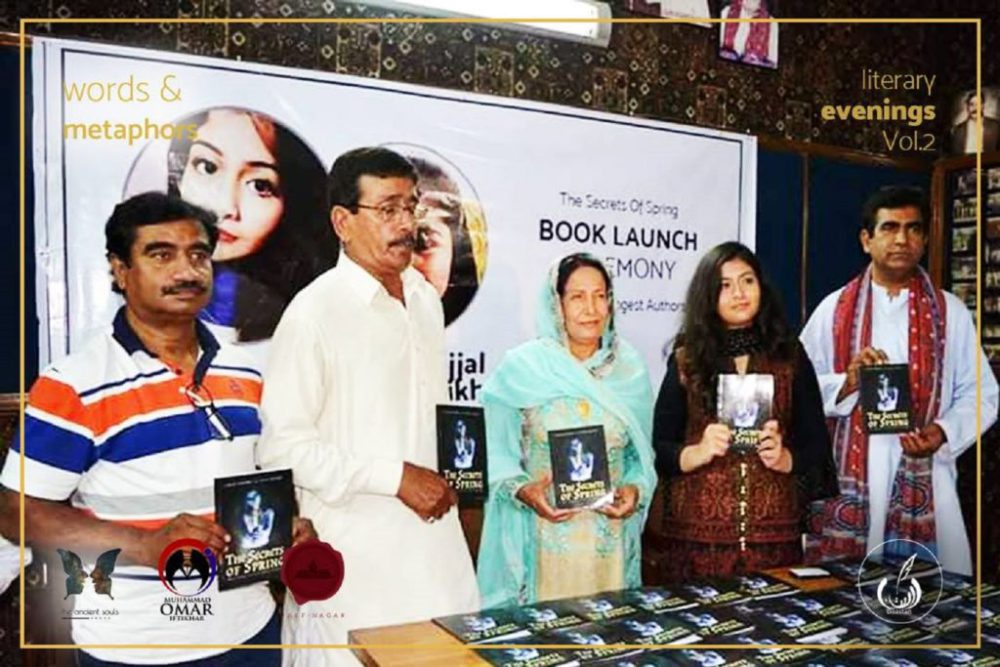
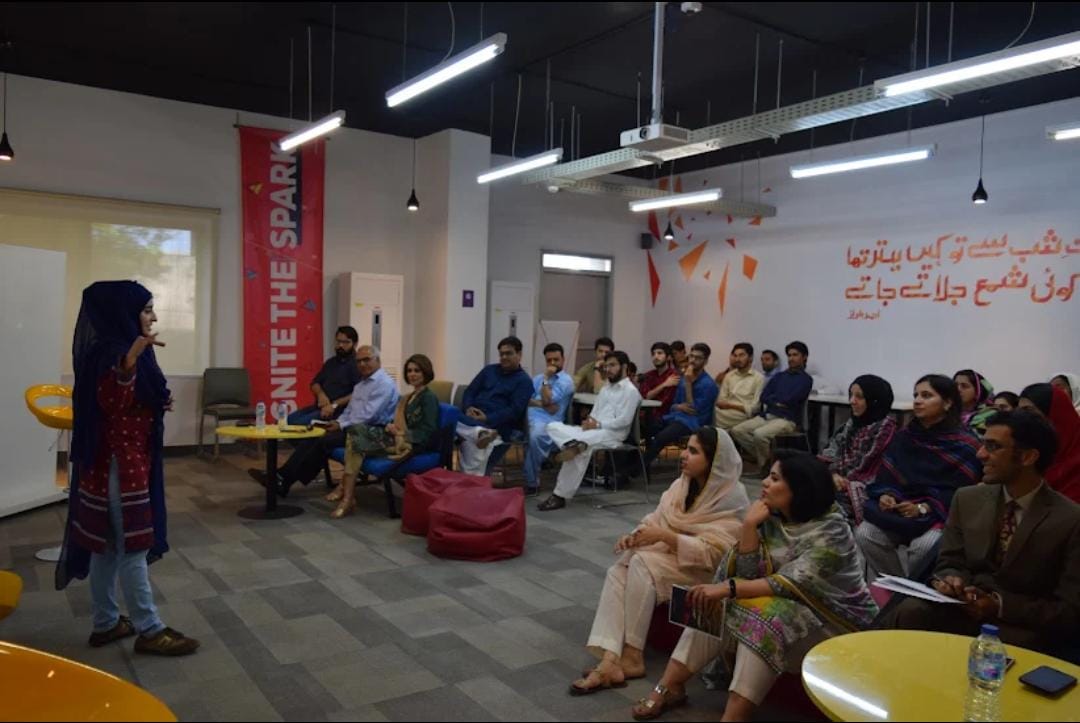
Komal Salman's Bleed, Breathe, Sing launched at the National Incubation Center in Islamabad to over a hundred attendees — students, teachers, activists, researchers, families. A first book, treated like an event.
100+ attendees
National Incubation Center, Islamabad. Pictured is Orooj-e-Zafar at a later Daastan launch in the same venue.
After five years and roughly USD 100,000 put into the local writing economy, Daastan ended free publishing and restructured as a for-profit social enterprise. It cost us users and some of the team. It was still right: free work gets treated as free, and a publisher that cannot pay its editors cannot protect its authors. Reading stayed free, and still is.
A UNDP-backed programme run with the Urban Youth Academy, bringing together young leaders from across the region. Daastan then sponsored Pakistani writers to attend the following year.
Mehrban Ali was recognised at the Hyderabad Press Club as the youngest Pakistani writer to reach fifty published books, in front of a room of Sindhi literary figures. He writes in English and Urdu on Islamic and historical subjects, and describes the whole body of work as carrying one message: love, peace and brotherhood.
The largest sum Daastan has ever been trusted with, and it was not for publishing. Shanakht won the Peace Innovation Fund to run a hundred days of dialogue on identity and tolerance: five events in five cities, one in each province, bringing more than fifty representatives of religious, business, education and marginalised communities into the same rooms — wrapped around a story-writing season and an animated series. Co-founder Sidra Amin put the thinking behind it plainly: why not reprogram society through stories?
Winning the national bootcamp carried Daastan to the regional Youth Co:Lab summit in Vietnam, in front of more than a thousand delegates from over twenty countries. A publishing company from Wah Cantt, on an Asia-Pacific stage.
Twenty-two social enterprises were taken into the bootcamp at the National Incubation Center, Islamabad, run by UNDP Pakistan with the Citi Foundation. Daastan finished as one of three winners and took a USD 2,500 grant.
A year as an Accountapreneur with Accountability Lab, whose entire subject is running an organisation people can hold to account. The founder used his slot at their first Pakistan Fail Faire to talk about how badly he took a customer's negative review — and what changed in the service after it. That is the origin of the pricing and royalty figures published openly on this site rather than quoted on request.
Fifty authors you have never heard of, in four languages
Daastan Nama went onto the Play Store, and the campaign that carried it was #OneOfTheFifty: fifty unknown writers, their poetry and prose recorded in their own voices, in English, Urdu, Pashto and Punjabi. Not a shortlist of the best — a list of fifty people the industry had no mechanism for finding at all.
From more than 3,500 participants, in the forum's sixth edition, run with the Nobel Peace Center. The pitch was the Daastan Nama mobile app and the case for digital infrastructure under a whole national literary industry.
Launched with White Falcon Publishing in India and Outcast Magazine, open across South Asia rather than just Pakistan. Hundreds of submissions in the first season and more in the second, cut to twenty finalists who were each interviewed in person. The first of three cross-border projects — Literati, then Write4Peace, then #WeToo — run at a time when almost nothing else was moving between these countries.
A first competition in Punjabi, run with Punjabi Parchar, and a platform rebuild to accept most of Pakistan's regional languages. Punjabi is the mother tongue of the largest group of people in this country and is barely published in. Giving it an upload button was the cheap part; finding the writers still using it took a partner who already had their trust.
Qissa took to print a first-hand account of living with schizophrenia — a subject commercial publishers here would not touch. This is what the platform is for: the book that is worth printing but will never top a bestseller list.
Four seasons in, the competition split into English and Urdu modules so Urdu writers could compete in their own language. The season ran under the theme I am Zainab — written and judged in the months after the murder of Zainab Ansari, and deliberately so. Top five printed, every finalist published digitally.
A third incubator, in Islamabad, running for a full year. Three separate institutions had now put Daastan through their selection process and their books: Plan9, Telenor, and the NIC. Companies that cannot survive diligence do not get invited back into it.
A police commando, and the youngest author in Peshawar
A Women's Day seminar on Feminism in Language, Literature and the Marketplace put three Daastan authors on the platform: Laiba Sehrish Nawaz, the youngest published author in Peshawar; Lareb Soomro, the youngest in Sindh; and Faiza Kayani, a police commando who became a poet. All three are still in this catalogue. None of them is the kind of writer a traditional Pakistani publisher was ever going to go looking for.
Daastan took the campus drives past forty universities — NED in Karachi, Bahauddin Zakariya in Multan, UMT in Lahore, COMSATS in Islamabad, FUMC in Rawalpindi and on — to teach students the thing no degree covers: how a book actually gets published in this country, what it costs, and who takes the cut. Book stalls, open sessions, and a walk through the industry's workings with nothing left out. Alongside them ran the Literary Evenings series: the Peshawar night drew fifty-odd people and Geo News, and ended in a poetry slam in Urdu and English judged by a University of Peshawar professor. Daastan supplied judges, training and discounts to the NUST National Literary Festival and to LUMS — where winners were fast-tracked into The Stories Untold finals and published free — and reached the PIEAS olympiad and its thirty-university field.
A publishing startup out of Wah Cantt spent 2017 on national television and national radio. PTV World ran the founder on World This Morning; Radio Pakistan had him on Aao Baat Karain; FM91 interviewed one of the authors; Neo TV covered a Daastan writer speaking at the Karachi Press Club as well as the Idea Croron Ka pitch. In print and online it ran to the Express Tribune, TechJuice, ProPakistani, Dunya News, ParhLo, Upstart, StartupRadar, PakPositive, JournalPost and EduGrid — and an Indian newspaper gave the company its own section.
PTV World · Radio PakistanNeo TV · FM9110+ publications
Daastan went on Idea Croron Ka on NEO TV — Pakistan's first business reality show, its Dragons' Den. Three of the four investors passed. Naeem Zamindar, then CEO of Acumen Pakistan and Chairman of the Board of Investment, did not: he offered PKR 25 lakh, and the team argued his opening 20% of the company down to 15% on air. The founder's note the next morning read: "No one in the industry took us seriously ever. We were always considered the maniacs working in the domain that is dead."
PKR 25 lakh (~USD 25,000)20% → 15%1 of 4 investors in
Two thousand writers, and the numbers on the record
Two and a half years in, the founder wrote the company up for an international libraries body and published the figures: 2,000 writers registered on Qissa, 100 of them already published across 12 genres in the ten months since the platform opened, and more than 50,000 reads. The freelance wing had turned over USD 13,000 the previous year. Two crowdfunding campaigns had raised about PKR 100,000 for authors with no other way to pay a printer.
Tooba Arshad became Daastan's first published author, her book funded by a month-long pre-order campaign before a single copy was printed. The launch was held at Nest I/O in Karachi and opened by Jehan Ara, president of P@SHA. It proved the model that still underpins the company: readers pay first, the author never carries the print risk. Her account is still author number 9 in this database, and she has two books on the site.
Author #9Pre-order funded
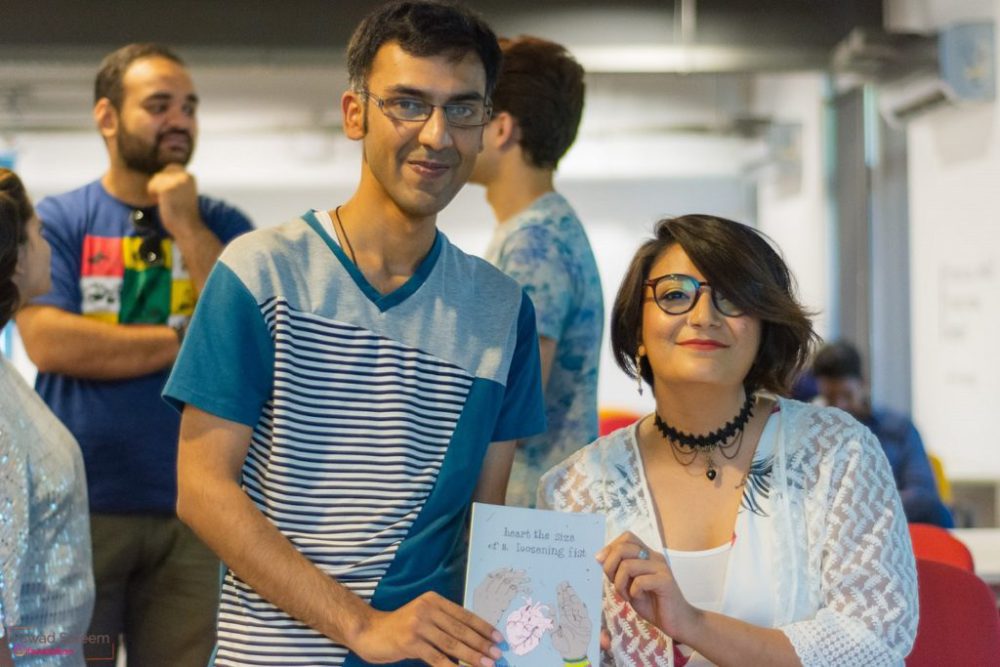
Finished hardbacks — the end of the process Tooba Arshad's pre-order campaign proved could be paid for up front.
Best Startup at the Connected Pakistan Conference in Abbottabad, and the SATHA Innovation Award from the South Asian Triple Helix Foundation. In the same month co-founder Sidra Amin took Most Innovative Initiative at the Innovative Youth Forum in Swat.
First outside money — and it went straight to writers
A PeaceTech Exchange grant of USD 2,500, administered with the United States Institute of Peace, funded the second season of The Stories Untold on the theme A War Within — a season that drew more than 150 entries. By mid-2017 the PeaceTech relationship had brought in USD 5,000 in total. None of it stayed in the company.
Fifty-odd applied, twenty-five were interviewed, fifteen were taken for three months of tailored work on whatever each of them was trying to build. It produced people rather than books: one fellow co-founded a digital publishing platform and became Daastan's editor-in-chief, another was interviewed on PTV World, a third published her own collection through Qissa with the company raising the money for it.
Selected for the second cohort of Telenor's accelerator from 105 applications: 17 shortlisted, 8 taken. Six months of mentorship, and access to a distribution network of forty million customers. Second accelerator, second graduation.
Pakistan's first online self-publishing platform. A writer could now upload a manuscript, set a price and sell it without knowing anybody. The oldest record in the database that runs this website is dated 29 July 2016 — everything you can read on Qissa today sits on top of that first row.
Run by TiE Islamabad with the U.S. Embassy. Close to a thousand applications came in, 130 went through to the first round, and 25 went further. It was the first outside signal that a business built on literature was not a hobby.
Daastan opened a freelance writing arm so its authors could earn while they wrote, and signed its first commercial contract with Startup.pk. At its peak the wing carried more than seventy writers producing around five thousand words a day.
The Forbidden Story came out on 6 January 2016. The publisher was Daastan. The novel that got turned down everywhere in 2014 was printed by the company that rejection caused — which is the whole argument of this business in one line, and the reason we do not ask authors to prove they are worth publishing before we will talk to them.
The brand launched publicly at Arfa Technology Park with Mughees Anwar and Rutaba Yaqub speaking, alongside the first Daastan Literary Fest and a letter-writing campaign. The pattern that still defines the company was set here: get writers in a room together, in person, and the publishing follows.
Daastan went straight into the fifth cycle of Plan9 — the Punjab Information Technology Board's incubator, then the largest in the country — beating out a field of more than 1,500 ideas. Six months later it graduated. There was never a stretch of this company existing quietly on its own; it was being assessed by other people from the first month.
1,500+ ideasPlan9 cycle 5Graduated
Arfa Software Technology Park, Lahore — Plan9's building, and where Daastan held its brand launch. This photograph is from a later book launch held in the same hall.
Syed Ommer Amer, a writer from Wah Cantt, finished a novel called The Forbidden Story and could not find a publisher in Pakistan willing to read it, let alone print it. The rejection was not personal. The industry simply had no route in for a first-time author without a name, and no interest in building one. So he built the route instead. Daastan started that December, with two friends, Hafsa Idrees and Tahniat Saba, and no money. He has put it more bluntly than any of our marketing would: "Entrepreneurship was my last resort. I burnt all bridges and focused solely on that one thing I was exceptionally good at — creative writing."
These are outside publications and institutions, not
testimonials we collected. Every one of them links to a page we do not control.
Your manuscript is the next entry on this page
Eleven years of this, and the thing that still hasn’t changed is the reason
we started: somewhere there is a finished book nobody will read because nobody
would print it. If that is yours, we already know what to do with it.



 Login with Google